
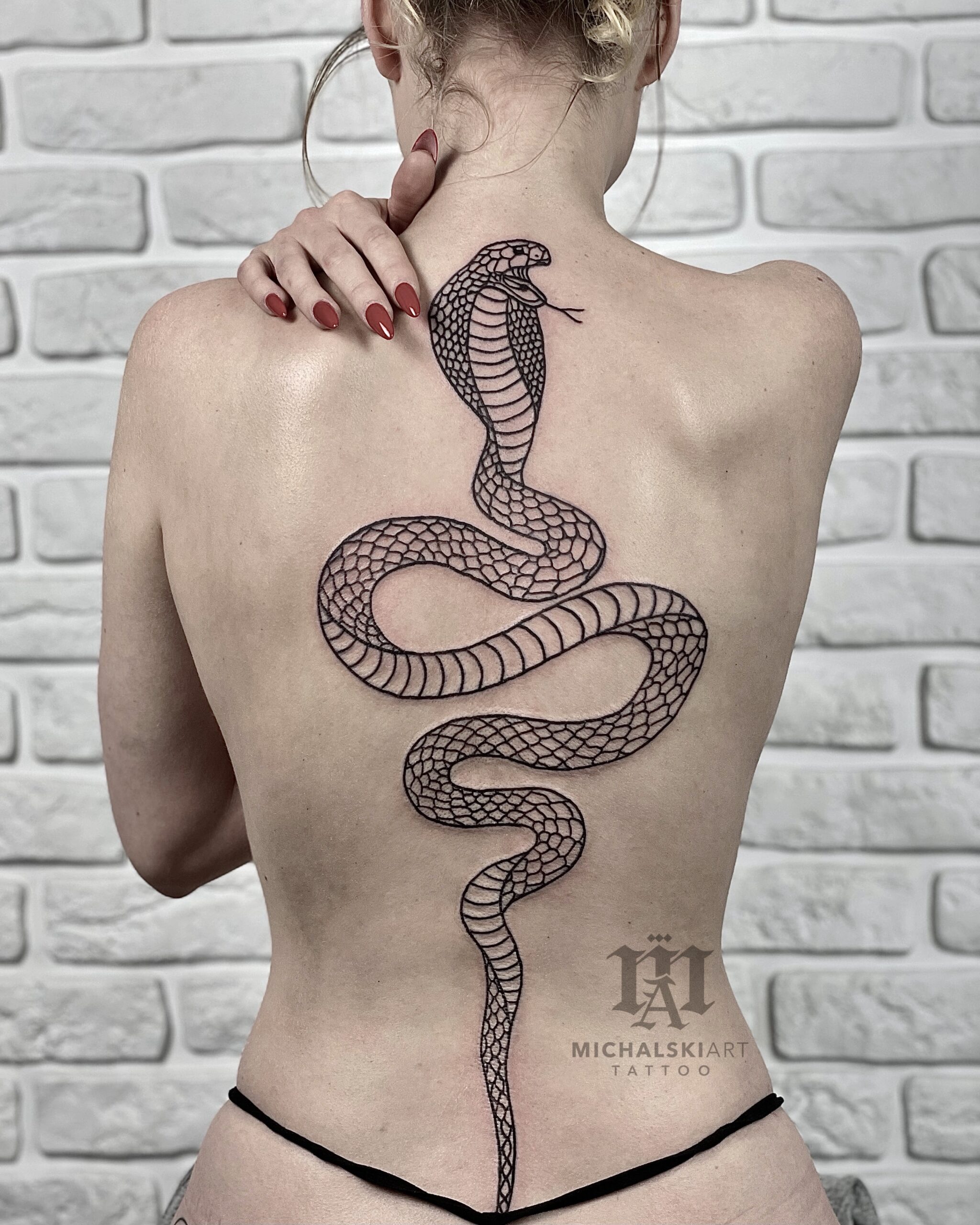
More and more people are treating a tattoo as a personal story on the skin. The first few days after the procedure determine what that story will look like in the future. It's not just about aesthetics. It is also about health and comfort. At MichalskiArt, we pay a lot of attention to post-treatment care, because it is what fixes the colours and sharpness of the lines. Below you will find simple, proven tips that are easy to implement on a daily basis. How to properly clean a fresh tattoo after the procedure? First wash your hands, remove the bandage as directed, rinse with lukewarm water and mild soap and dry without rubbing. A fresh tattoo is a controlled wound, so cleanliness is key. Wash your hands thoroughly. Remove the bandage gently, preferably under a stream of lukewarm water. Rinse the skin with water and use a mild, unscented soap. Do not scrub. Dry with a paper towel, touching lightly. If the artist has applied a film-type dressing, follow their instructions. It is usually removed under warm water when it is time to change. How often should I wash my new tattoo and what water should I use? Wash several times a day with lukewarm water, briefly and gently. Maintain regularity in the first few days, but don't overdo it. Use lukewarm water. Hot can increase bleeding and irritation, and very cold slows healing. Finish each wash with a short drying with clean paper. Avoid long soaks in the bath. A short shower is safer. Which ointments and creams to use and which to avoid? Choose light, unscented creams for sensitive skin and apply a thin layer. The aim is to moisturise, not “prime” the skin. Hypoallergenic products without fragrances or dyes work well. Apply thinly to allow the skin to breathe. Avoid greasy, highly occlusive ointments, products with alcohol, perfumes and antibiotic ointments without a clear recommendation. When the skin is very dry, increase the frequency of light moisturising, not the thickness of the layer. What should I do if redness or discharge appears? The information in this section is for information purposes only and is not a substitute for medical advice; if in doubt, consult your doctor. Mild erythema and translucent discharge at the start is typical; take care then to hygienise and moisturise thinly. In the first few days, the skin may be warm, slightly swollen and moist from the plasma. This is a natural reaction. Maintain gentle washing, thorough drying and a thin layer of cream. If the discharge thickens, changes colour or odour, or the redness spreads, keep creaming to a minimum and observe the skin's reaction. Contact your tattoo artist for care first; for symptoms suggestive of infection - fever, purulent discharge, spreading redness or worsening pain - see a doctor immediately. When to contact your tattoo artist or doctor? With your tattoo artist for nursing concerns, with your doctor for symptoms of infection or a severe reaction. Turn to your tattoo artist when you are unsure or unsure about how often to wash, what to lubricate with, how long to wear a bandage or how to react to scabs. Medical attention is indicated when there is increasing pain, fever, purulent discharge, spreading redness, severe swelling, blistering, rash or rapid allergic reaction. If the symptoms do not diminish after a few days, this is also a signal for consultation. Can I exercise, swim or shower with a tattoo? Gentle showers yes, intensive workouts and swimming are better postponed until it has healed. Take short showers in lukewarm water. Do not point the strong spray directly at the tattoo. Swimming in a pool, lake or sea increases the risk of irritation and infection. Also avoid saunas and hot tubs. Exercise generates sweat and friction. For the first few days, choose lighter activity or take a break, especially if your tattoo is in an area prone to stretching. How to protect your tattoo from the sun and rubbing clothes? Avoid the sun and wear airy, soft clothing that covers the tattoo. UV radiation harms the pigments and irritates fresh skin. During the healing phase, it is best to keep the tattoo in the shade. Once healed, use a high UV sunscreen and renew it throughout the day. Choose clothing that is loose and smooth and made from natural fabrics. Avoid tight items that can stick to the skin and break off fresh scabs. What can you do today to make tattoo healing go better? Ensure you have a skincare kit and schedule that supports recovery. Prepare gentle, unscented soap, clean paper towels and a light cream for sensitive skin. Plan short showers and a break from swimming and intense workouts. Choose loose, soft clothes that won't rub your skin. Drink water and get plenty of sleep. The body heals better when it is hydrated and rested. Don't scrape off scabs or scratch itchy skin. Save your questions for your tattoo artist to discuss care tailored to your project. Good habits from day one translate into a nice healing and lasting result. Calmness, hygiene and consistency is the simplest plan that works. When in doubt, use the expertise of specialists. At MichalskiArt, we rely on individual guidance because every project and skin heals a little differently. Make an appointment for a consultation to receive individual care tips!
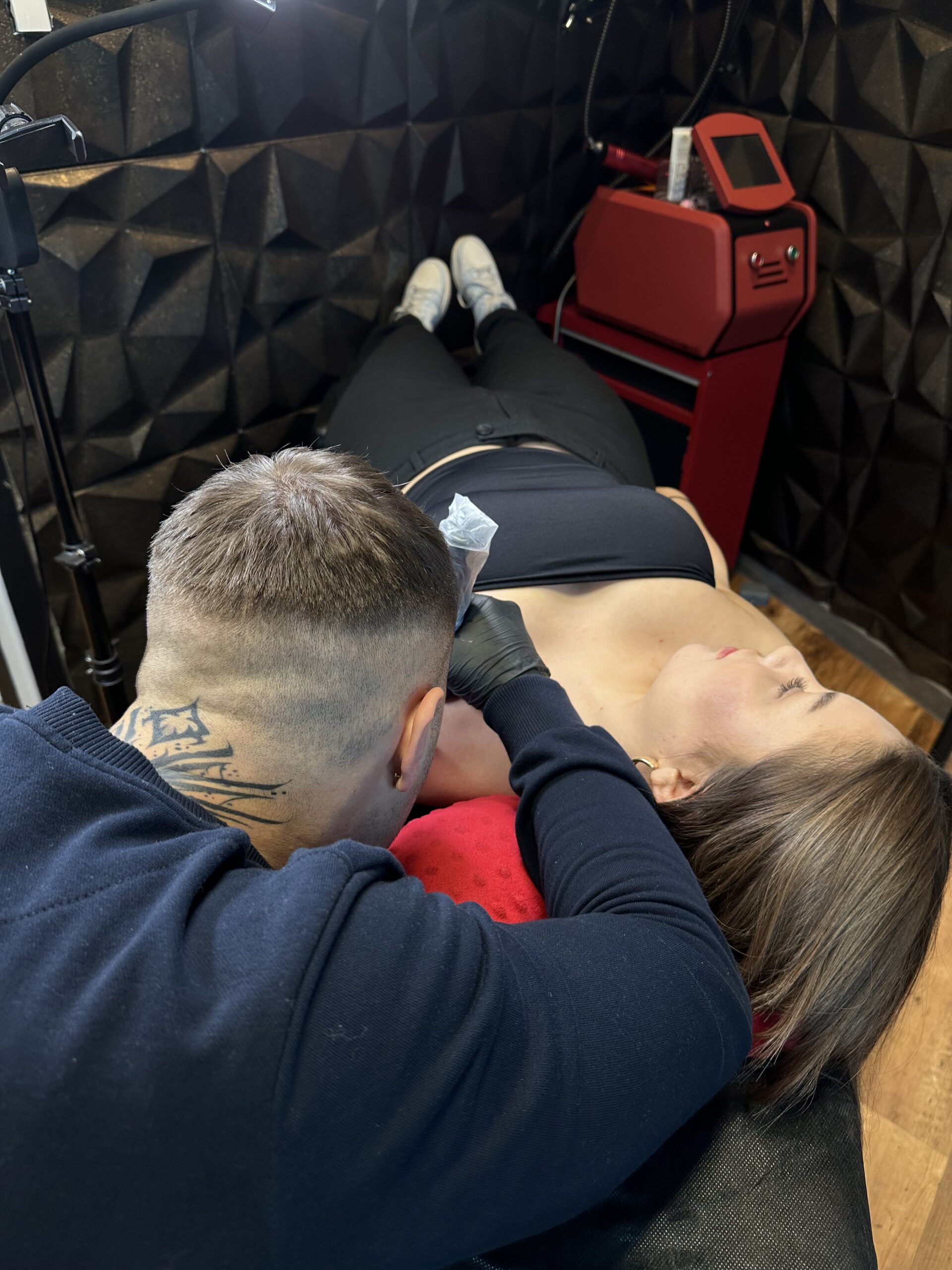
How do you prepare for your first visit to a tattoo studio?
More and more people are treating a tattoo as a personal story written on the skin. The excitement is great, but equally important is wise preparation that affects the comfort, permanence and appearance of the design. In this guide you will find simple steps before your first visit. From skin care and pattern selection, to questions for the artist, to logistics and recovery after the session. How do you prepare your skin before your first visit to a tattoo studio? Moisturise your skin, avoid the sun and alcohol, and come rested and full.Good skin condition makes it easier to work and heal. Moisturise your chosen area with a light lotion for a week. Do not tan or use a tanning bed. On the day of your appointment, do not drink alcohol or take blood-thinning substances. Do not perform strong chemical peels and do not irritate your skin. If you want to remove hair, do it the day before with a fine razor. Avoid waxing and depilatory creams. Sleep well and eat a nutritious meal. What should I take with me to my first visit to a tattoo studio? Take an identity document, design references, water and snacks and comfortable clothing.A few practical things will come in handy: an identity document to fill in your consent, sketches, photos and inspiration, including on your phone, water and a light snack such as a candy bar, headphones with music or an audiobook, stretchy dark clothing that will reveal the tattoo site, a means of payment or voucher, a skin cream if the studio asks you to buy it on site or recommends a specific one. How do I choose a design and size before my first tattoo treatment? Be guided by meaning, place and clarity of detail over time.Think about what the tattoo is meant to express and where it is meant to be placed. Small designs in very detailed styles can lose legibility after years. Compositions that match the anatomy work better on the curves of the body. Colour looks different on different skin tones, sometimes black and grey is better. Look at artists' portfolios and get a free consultation to refine the sketch and scale. If you have an old tattoo in there, discuss options for a cover-up or gradual laser brightening before a new design. How do you ask questions of the artist to avoid misunderstandings? Establish the scope, stages, estimated time, booking rules, touch-ups and care.Helpful questions include: what size and placement will ensure permanent legibility, how many sessions are needed and how long will one take, whether the design will be in colour or black and grey, what is the process for sketch approval and any alterations, how to care for the tattoo in the first few days and weeks, when are breaks planned during the session, deposit policy, rescheduling and touch-ups after healing, are there medical contraindications to the procedure in your case. What to look out for in terms of hygiene and safety of the procedure? Pay attention to disposable materials, a sterile station and clear disinfection procedures.The artist should open disposable needles or cartridges next to you. Gloves, protective film and ink cups must be fresh. The machine and cables should be protected with barriers. The workstation is to be clean, with disinfectants visible. The tattoo studio should provide written consent for the procedure and care instructions. This is a standard that protects health and affects the result. How do you prepare your body for pain and a longer session? Get enough sleep, eat a meal, drink water and give up alcohol and stimulants.Good hydration improves skin condition. Avoid alcohol and excess caffeine on the day of your treatment. If you are considering an anaesthetic cream, discuss this with your artist beforehand, as not every preparation is recommended. Breathe calmly, take short breaks and listen to music. If you need a painkiller, paracetamol is usually a better choice after consultation. Do not use aspirin or other blood thinners. What should I wear to make it easier for the artist and comfortable? Choose loose, dark clothing that easily exposes the tattooed area.Leggings, shorts, a strapless T-shirt or unbuttoned sweatshirt make access easier. Dark fabrics will better withstand possible ink staining. Layers of clothing will allow you to adjust to the temperature. Remove jewellery from the treatment area. Tie up long hair if the tattoo will be on the neck or back. How do I plan the logistics and recovery after the session? Ensure you have a quiet commute and a few weeks to heal without sun, pool or sauna.Do not plan for intense exercise, long journeys or events requiring formal attire after your session. Avoid swimming, saunas and sunbathing in the first few weeks. Limit friction at the tattoo site and wear airy clothing. Sleep on clean sheets, wash your tattoo gently and maintain according to the studio's instructions. Large projects may require several appointments, so plan recovery breaks. If commuting downtown is easy for you, choose off-peak hours. Have an old design to cover up or want to change it? Discuss cover-up or laser removal, and get a consultation if in doubt. Vouchers can help you plan the whole process in stages. Good preparation gives you peace of mind, reduces chair time and improves healing. Approach the process consciously, be in touch with your artist and enjoy your project for years to come. Make an appointment and start your consultation to refine the design, timing and care plan.
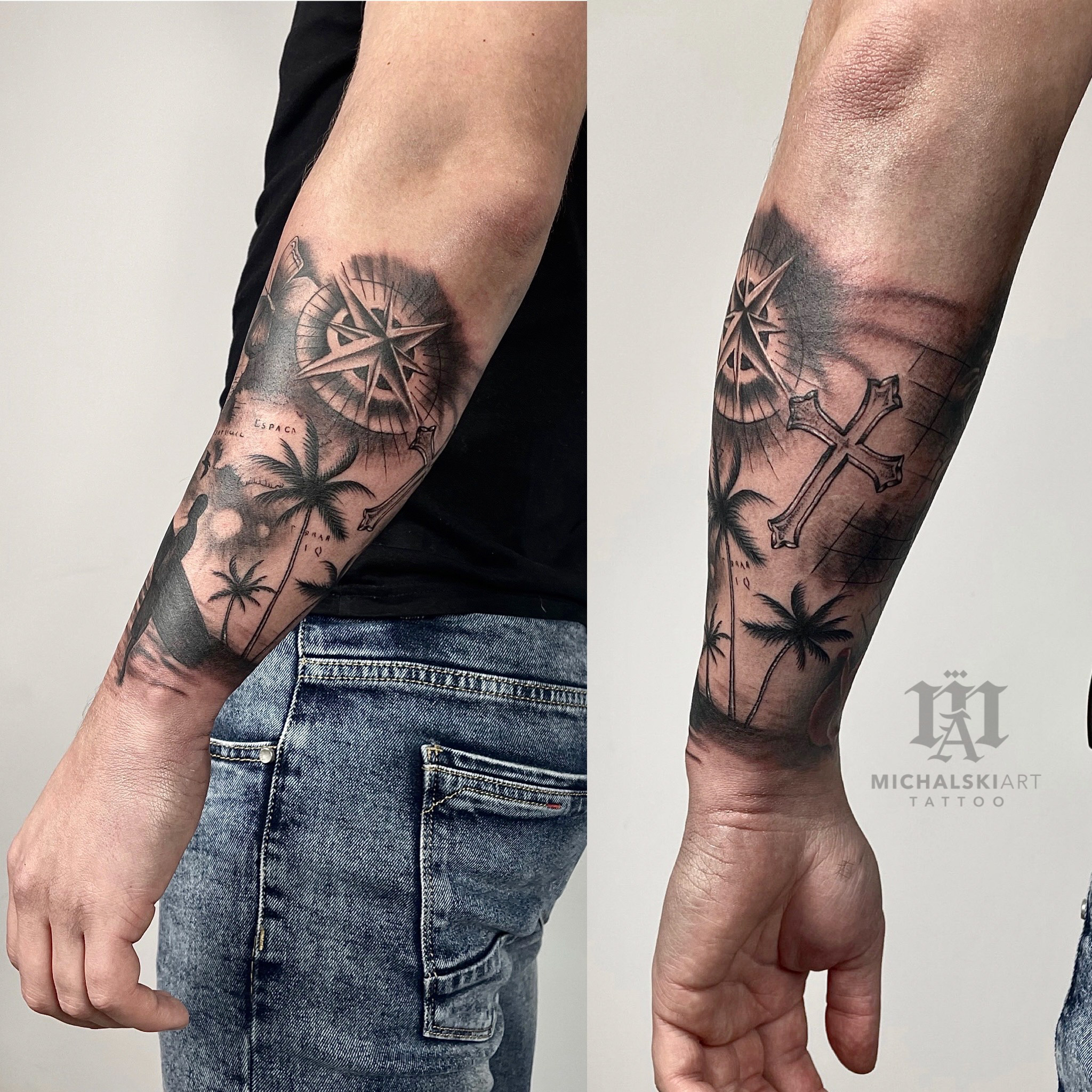
What are the styles and types of tattoos?
More and more people are treating a tattoo as a personal story. The style determines not only the look, but also the permanence, healing and how the design sits on the body. In this guide, you'll learn about the most important styles and techniques, the differences between them and tips on how to choose them to suit the location on your skin and the plan for your first session. A well-chosen style makes subsequent grooming easier and reduces the risk of disappointment. You also gain consistent direction when you want to expand your tattoo in the future with a sleeve or larger composition. What are the main tattoo styles and how do they differ? In the world of tattooing you will find a variety of styles that allow you to express yourself. The main differences between them are in the thickness of the lines, the colour palette, the way of shading and the level of detail. Here are the popular tattoo styles: realism - imitates light and textures, aiming for as much fidelity with reality as possible; traditional and neo-traditional - focuses on strong contour and clear shapes, often with a limited colour palette; graphic forms - such as blackwork or geometry, build form with contrast and negativity, often using only black; ornamental and ethnic - draws inspiration from ancient cultures, characterised by rhythmic patterns; watercolour - imitates paint spills, often without outline, giving a light, painterly effect; minimalist tattoos - rely on simple marks, thin lines and small symbols; Japanese - cover larger areas of the body, using classical motifs and rich symbolism; typographic (lettering) - focuses on typeface and word placement, treating text as the main artistic element. Each of these styles offers a unique aesthetic, allowing you to create a piece of artwork perfectly suited to your personality and vision. Which techniques produce a realistic effect and which a graphic one? Realism is created by soft tonal transitions, layered shading and shade blending. The realistic effect is created by smooth gradients, precise black-to-colour transitions and working with different needlepoint configurations. Graphic patterns are based on strong contours, flat fills, dotting, the intermingling of black with negative and clear geometry. The graphic approach tends to be more legible from a distance, realism usually requires a larger format. How do I choose a style for my body shape and skin area? The right tattoo style is best suited to your body proportions, natural muscle layout and level of sun exposure. Large detail looks better on the back, thigh and arm, while small, simple forms work well on the wrist, ankle and behind the ear. Vertical motifs slenderise the shoulders and calves, while flowing pieces go well on the ribs and hips, although these are more sensitive areas. If you are planning a sleeve, think about a consistent axis and negative around the elbow and wrist. Also bear in mind the durability of the pattern. A dark style, such as blackwork, is visually resistant to tanning, whereas watercolour and light colours lose intensity more quickly. For scars and cover-ups, denser contrast and larger elements that effectively cover up the previous pattern work better. What are dotwork, blackwork and continuous line techniques? Find out the details of the dotwork, blackwork and continuous line techniques, which have a unique approach to form and detail. dotwork: builds up the image with dots, producing soft shadows, mandalas and geometries with great depth; heals similarly to classic shading. blackwork: relies on black to create dense fields, ethnic patterns and contrast with the negative; usually takes longer to heal large fills. continuous line: creates form with one uninterrupted outline, is minimalist and subtle, but requires a steady hand and thoughtful thickness to remain legible years later. Each of these techniques offers different possibilities of expression and requires precision on the part of the artist. How does old school differ from neo-traditional and new school? The old school, neo-traditional and new school styles differ significantly in terms of contour, colour palette and overall aesthetics. old school: characterised by strong contours, a limited colour palette (red, green, yellow, black), simple shading and classic motifs such as nautical patterns or hearts with banners. neo-traditional: develops detail and colour, adding a richer palette, deeper shadows, flora, fauna and decorativeness, while maintaining a strong outline. new school: uses exaggerated perspective, graffiti aesthetics and cartoon dynamics, exaggerating forms for greater expression. While all three are legible, the differences in their complexity and expression allow for a wide range of artistic choice. What are the characteristics of watercolour, minimalist and tribal tattoos? Discover the distinctive features of watercolour, minimalist and tribal tattoos, which offer a unique approach to design and expression. watercolour: gives a painterly effect, mimicking blurs and splashes, often without an outline; looks light but requires a good plan to avoid losing contrast over time. minimalism: favours simplicity, relying on thin lines and small symbols; elements that are too small can fade after years, so proper scale is important. tribal: these are strong black forms with ethnic roots, characterised by rhythmic shapes that match anatomy; the large amount of black in tribal tends to age well and requires respect for the origin of the motifs. Each of these styles offers a unique aesthetic, with its own challenges and advantages in terms of longevity. How does style affect the soreness, healing and permanence of the design? The choice of tattoo style has a significant impact on the working time, the sensation during the session, the healing process and the appearance of the design after many years. Painfulness and healing time: Dense black fillings and multi-hour sessions tend to be more painful and take longer to heal than contours alone. Thin lines can sometimes be quicker but require precision, which can affect session duration. Realism in colour often needs layers, which can prolong both the tattooing and healing process. Durability and aesthetics years later: Durability of the design is supported by strong contrast, adequate line thickness and avoidance of microdetail in very small designs. Colours fade faster than black, especially in the sun and in areas exposed to friction, so it is worth considering these factors when choosing a palette. With possible laser removal, black often responds better than some pigments, but the final results depend on the type of ink and skin, so consultation with a specialist is required. How do I prepare for my style choice and first session? To best prepare for your style choice and first tattoo session, follow a few key steps. define the message and gather inspiration: think about what you want to express and where you want to place the design; make brief notes and review the portfolios of different artists, paying attention to style, lines, shading and colours. choose an artist and arrange a consultation: find an artist whose style matches your vision. At the consultation, discuss size, location, technique and possible limitations, bearing in mind that pricing is individual. prepare before the session: a few days before the treatment, take care to sleep, moisturise your skin