

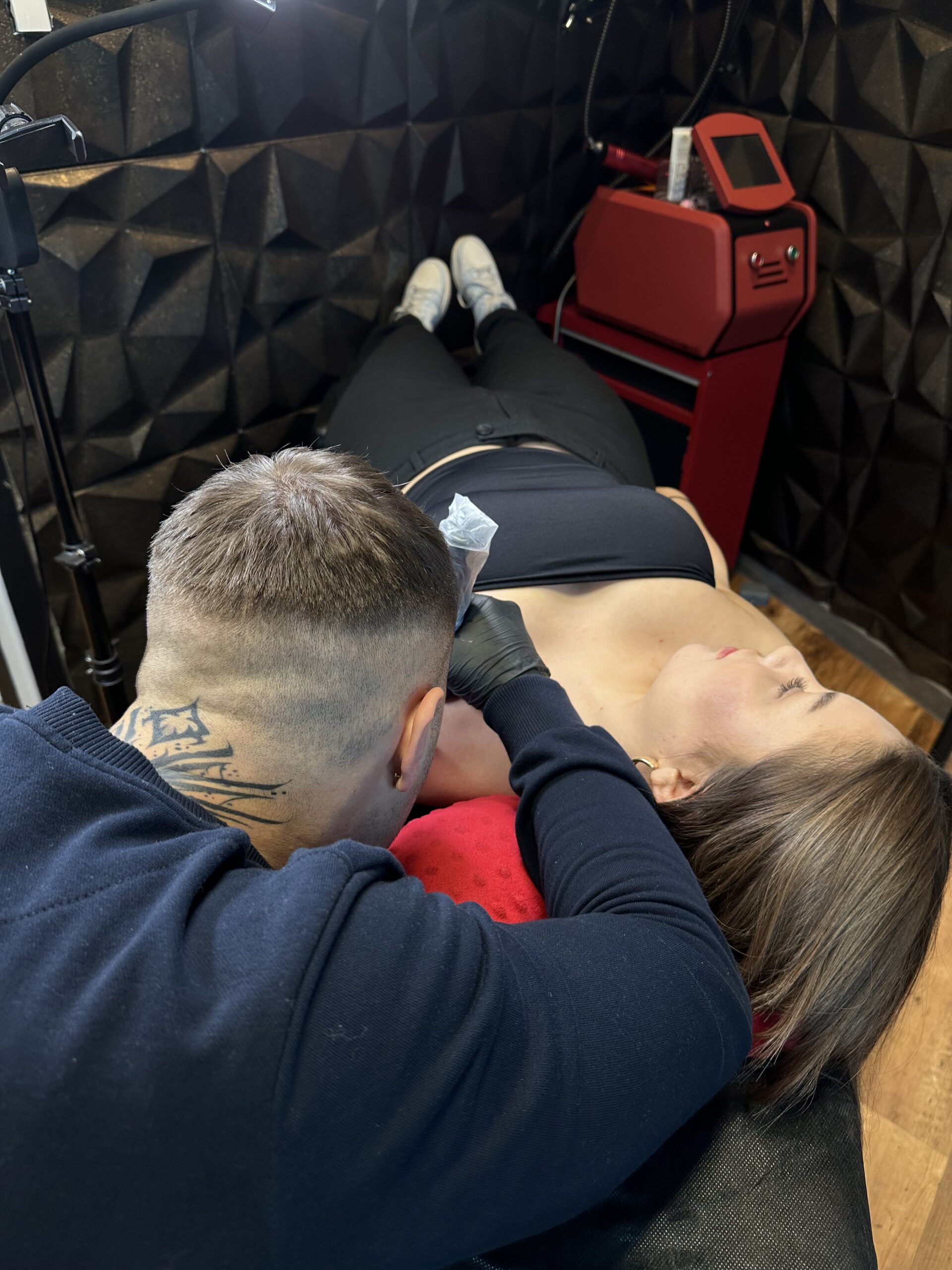
More and more people are treating a tattoo as a personal story written on the skin. The excitement is great, but equally important is wise preparation that affects the comfort, permanence and appearance of the design.
In this guide you will find simple steps before your first appointment. From skin care and pattern selection, to questions for the artist, to logistics and recovery after the session.
How do you prepare your skin before your first visit to a tattoo studio?
Moisturise your skin, avoid the sun and alcohol, and come well rested and full.
Good skin condition makes it easier to work and heal. Moisturise the affected area with a light lotion for a week. Do not sunbathe or use a tanning bed. On the day of your appointment, do not drink alcohol or take blood-thinning substances. Do not perform strong chemical peels and do not irritate your skin. If you want to remove hair, do it the day before with a fine razor. Avoid waxing and depilatory creams. Sleep well and eat a nutritious meal.
What to bring with you to your first visit to a tattoo studio?
Bring ID, pattern references, water and snacks and comfortable clothing.
A few practical things will come in handy:
- identity document to complete the consent,
- sketches, photos and inspiration, also on your phone,
- Water and a light snack, such as a candy bar,
- headphones with music or an audio book,
- Flexible, dark clothing that will expose the tattoo site,
- means of payment or voucher,
- care cream if the studio asks you to buy it on site or recommends a particular one.
How do I choose a design and size before my first tattoo treatment?
Be guided by meaning, place and clarity of detail over time.
Think about what the tattoo should express and where it should be placed. Small designs in very detailed styles can lose legibility after years. Compositions that match the anatomy work better on the curves of the body. Colour looks different on different skin tones, sometimes black and grey is better. Look at artists' portfolios and get a free consultation to refine the sketch and scale. If you have an old tattoo in the area, discuss options for a cover-up or gradual laser brightening before a new design.
How to ask the artist questions to avoid misunderstandings?
Establish scope, stages, estimated time, booking rules, amendments and care.
Helpful questions include:
- what size and positioning will ensure lasting readability,
- How many sessions are needed and how long one will last,
- whether the design will be in colour or black and grey,
- what the approval process is like for the sketch and any changes,
- How to care for the tattoo in the first days and weeks,
- when breaks are planned during the session,
- deposit policy, postponement and post-healing amendments,
- Whether there are medical contraindications to the procedure in your case.
What to look out for in terms of hygiene and safety of the procedure?
Pay attention to disposable materials, a sterile station and clear disinfection procedures.
The artist should open disposable needles or cartridges next to you. Gloves, protective film and ink cups must be fresh. The machine and cables should be protected with barriers. The workstation is to be clean, with disinfectants visible. Tattoo studio should provide written consent for the treatment and care instructions. This is a standard that protects health and influences outcome.
How do you prepare your body for pain and longer sessions?
Get enough sleep, eat a meal, drink water and give up alcohol and stimulants.
Good hydration improves the condition of the skin. Avoid alcohol and excess caffeine on the day of your treatment. If you are considering an anaesthetic cream, discuss this with your artist beforehand, as not every preparation is recommended. Breathe calmly, take short breaks and listen to music. If you need a painkiller, paracetamol is usually a better choice after consultation. Do not use aspirin or other blood thinners.
What to wear to make the artist's job easier and comfortable?
Choose loose, dark clothing that will easily expose the tattooed area.
Leggings, shorts, a strapless T-shirt or an unbuttoned sweatshirt make access easier. Darker fabrics stand up better to possible ink stains. Layers of clothing will allow you to adjust to the temperature. Remove jewellery from the treatment area. Tie up long hair if the tattoo will be on the neck or back.
How to plan logistics and recovery after the session?
Ensure a quiet commute and a few weeks to heal without sun, pool and sauna.
Do not plan intensive exercise, long journeys or events requiring formal attire after the session. Avoid swimming, saunas and sunbathing in the first few weeks. Limit friction at the tattoo site and wear airy clothing. Sleep on clean sheets, wash your tattoo gently and maintain according to the studio's instructions. Large projects may require several appointments, so plan recovery breaks. If commuting downtown is easy for you, choose off-peak hours. Have an old design to cover or want to change it? Discuss cover-up or laser removaland if in doubt, get a consultation. Vouchers can help you plan the whole process in stages.
Good preparation gives you peace of mind, reduces chair time and improves healing. Approach the process consciously, be in touch with the artist and enjoy the project for years to come.
Make an appointment and start a consultation to refine the design, timing and care plan.